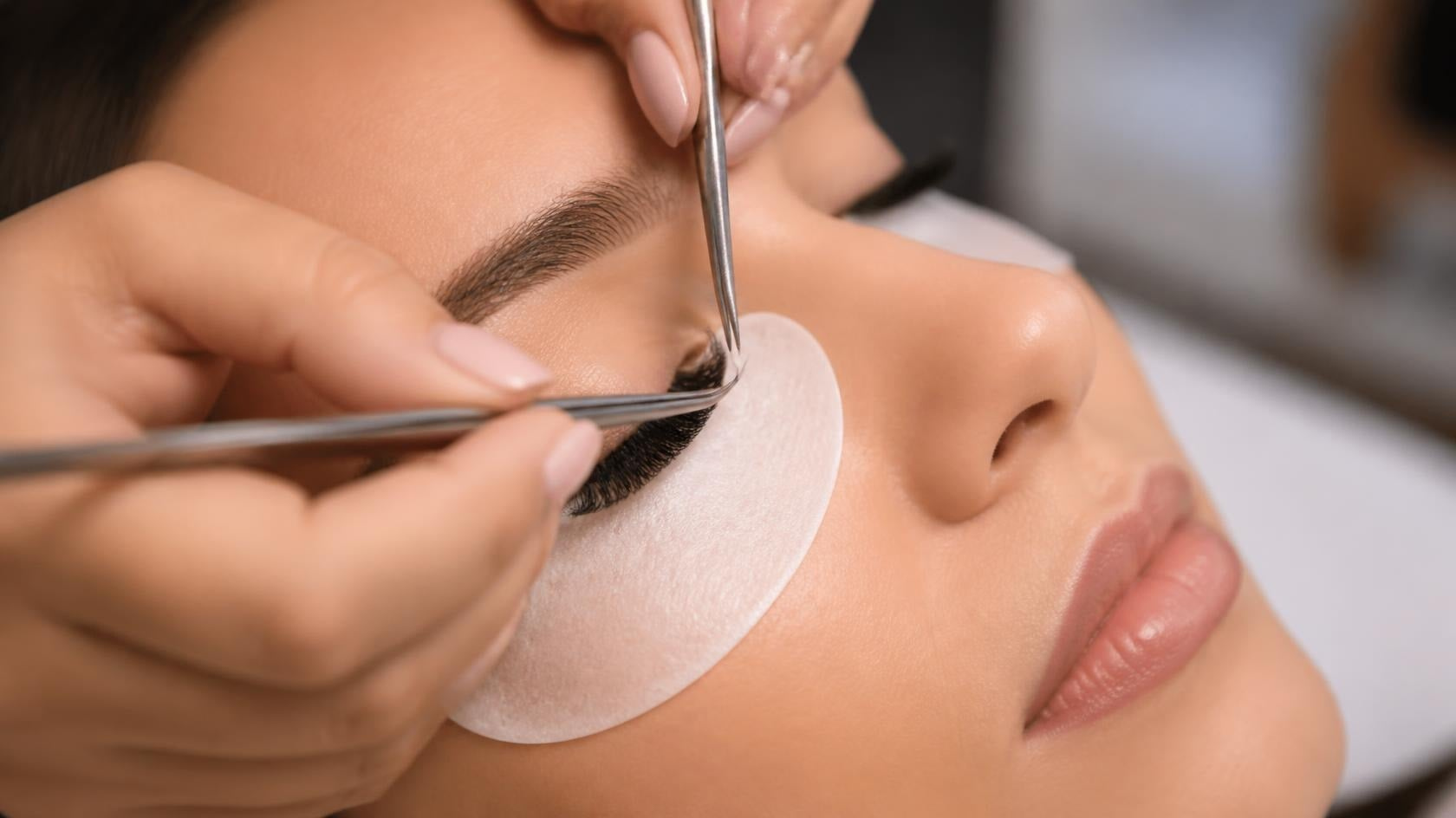
If you've been shopping for a lash serum, you've probably seen the word "prostaglandin" somewhere in the ingredient list or reviews. It sounds clinical because it is. This isn't a plant extract or a vitamin. It's a drug ingredient, and it comes with real side effects that a lot of lash serum shoppers never hear about until after they've bought the bottle.
Here's what prostaglandins actually are, why they're used in lash serums, what they can do to your eyes, and how to check if your current serum contains one.
What Are Prostaglandins in Lash Serums?
Prostaglandins are naturally occurring compounds in the body that act like hormones. Medically, synthetic versions of them (called prostaglandin analogs) were developed to treat glaucoma, because they lower pressure inside the eye.
While using these eye drops, doctors noticed a side effect: patients' eyelashes grew longer, thicker, and darker. That side effect got repackaged. A prescription version, Latisse, was approved specifically for lash growth. Then cosmetic companies started adding prostaglandin analogs into over-the-counter lash serums, without the same prescription, without the same dosing control, and without a doctor watching for side effects.
Why Is It Dangerous
Prostaglandin analogs don't just affect your lashes. They're absorbed into the skin and can affect the structures around your eye, because that's exactly where you're applying them, right along the lash line, on some of the thinnest skin on your body.
A few reasons this matters:
-
They're a drug, not a cosmetic ingredient. They were designed to change eye pressure and follicle behavior. Putting them in an unregulated serum means you're using a pharmaceutical-strength ingredient without medical supervision.
-
Dosing isn't controlled. Prescription versions come with a measured applicator and instructions. Cosmetic serums don't have the same oversight, so how much you're actually absorbing can vary bottle to bottle.
- Some effects don't fully reverse. Two in particular: fat loss around the eye and iris color change.
-
They're not always labeled clearly. Brands don't always spell out "prostaglandin analog" on the front of the bottle. You often have to know what to look for in the ingredient list.
What Outcome Can You Get With Them

Here's what can happen with regular use,
-
Eyelid skin darkening. Pigmentation can increase around the lash line and eyelid, which may fade after stopping, or may not fully fade for some users.
-
Redness and itching. Irritation around the eyes and eyelid margin is one of the most commonly reported effects.
-
Hollow, sunken eye area. Long-term use has been linked to fat loss around the eye socket, sometimes called prostaglandin-associated periorbitopathy. This can change the shape of the eye area and, in some cases, doesn't fully reverse when you stop.
-
Iris color change. Rare, but documented, mainly in people with lighter, mixed-colored eyes (hazel, green, blue-gray). This change can be permanent.
How to Spot Them in Your Lash Serum
 Brands aren't always upfront about this ingredient, so you need to read the label yourself. The easiest trick: scan the ingredient list for anything ending in "-prost" or containing the word "prostenate." That naming pattern is a strong signal you're looking at a prostaglandin analog.
Common Examples of Prostaglandin Analogues
-
Bimatoprost
-
Latanoprost
-
Isopropyl Cloprostenate
-
Cloprostenol Isopropyl Ester
-
Dechloro Dihydroxy Difluoro Ethylcloprostenolamide
If you see any of these on the ingredient panel, you're dealing with a prostaglandin analog in lash serum, not a cosmetic-only formula. If a product doesn't list full ingredients at all, or buries them behind a proprietary blend name, that's a red flag worth asking the brand about directly before you buy.
Are Prostaglandin-Free Serums Safer?
A lash serum without prostaglandin uses nourishing ingredients instead of a repurposed glaucoma drug:
- Peptides (like myristoyl pentapeptide-17) signal cells to produce more keratin, the protein lashes are made of. Small studies show real gains in length and thickness, though not backed by trials as large as bimatoprost's.
- Biotin strengthens the hair shaft from within, so lashes are less likely to snap or shed early.
- Castor oil conditions and seals in moisture, protecting the length you already have rather than growing new length.
- Panthenol adds moisture and flexibility, so lashes stay less brittle.
- Amino acids are the raw material for keratin, giving the follicle what it needs to build a stronger lash.
These ingredients don't force extra growth like prostaglandins do. They just reduce breakage so more of your natural lash cycle shows through, which is why results build up gradually instead of appearing in a few weeks.
Choosing the Right Lash Serum for You
A few practical guidelines:
-
Read the full ingredient list before you buy, not after. Check for "-prost" and "prostenate" endings.
-
Skip it if you have sensitive eyes, dry eye, or wear contacts. Prostaglandin analogs are more likely to cause irritation in these cases.
-
Check with an eye doctor first if you have glaucoma, are on eye medication, or have a history of eye conditions.
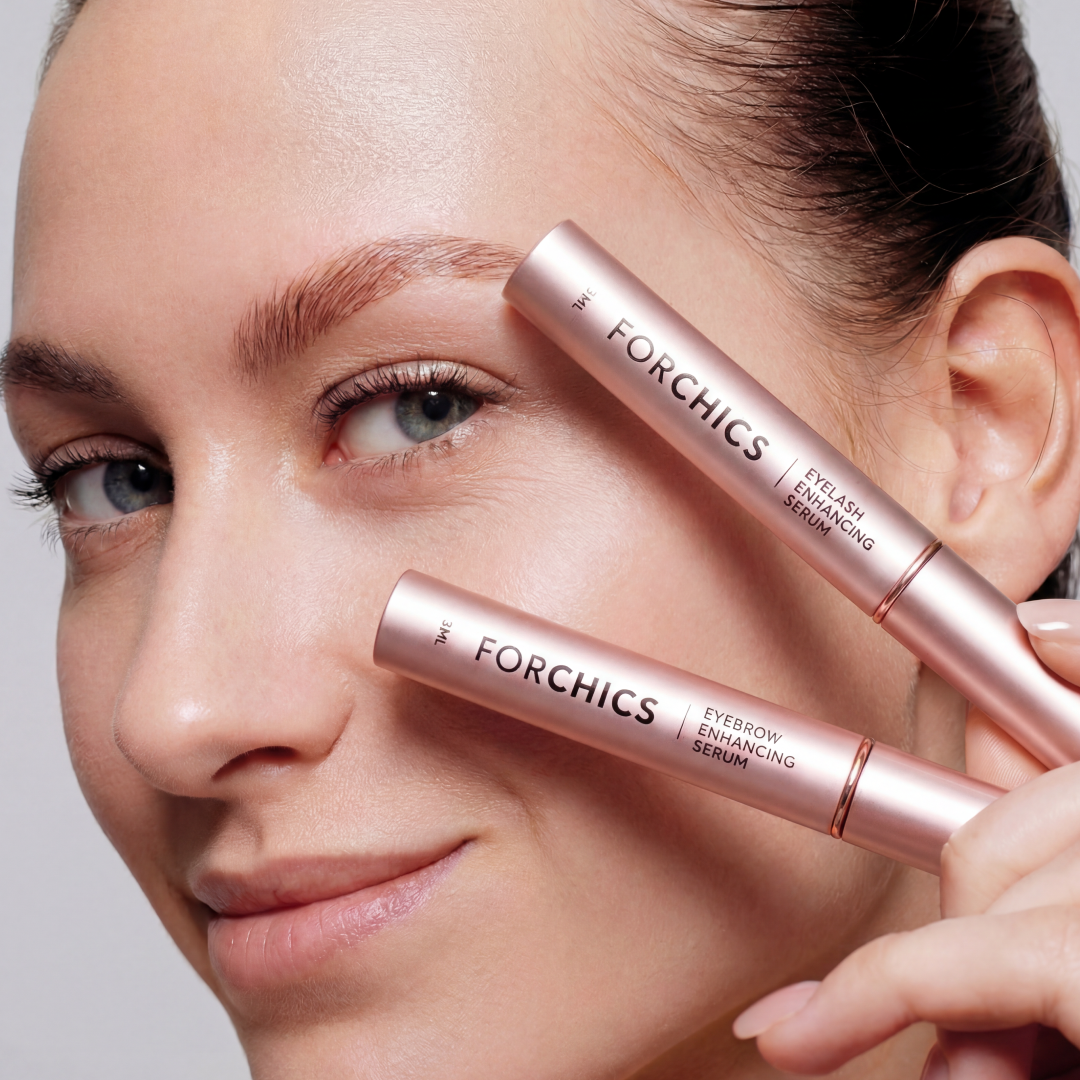
- Choose prostaglandin-free if you want a low-risk daily routine. Our own ForChics Eyelash Enhancing Serum is built this way. It skips prostaglandins entirely and uses myristoyl pentapeptide-17, biotin, and botanical extracts like Panax ginseng and rosemary to condition lashes and support natural growth, so you get results without the eye-related risks.
-
Be patient with prostaglandin-free formulas. Most need 6 to 12 weeks of consistent use before you see a real difference, since that's roughly how long it takes for a full lash growth cycle to show results.
If you want longer, healthier-looking lashes without gambling with the skin and structures around your eyes, prostaglandin-free is the safer default for daily, long-term use.
Frequently Asked Questions
Can prostaglandin serums change my eye color?
In rare cases, yes. This is mostly reported in people with lighter, mixed-colored eyes such as hazel, green, or blue-gray, and it happens through increased pigment production in the iris. It's uncommon, but when it occurs, it can be permanent.
How long do prostaglandin side effects last after I stop using the serum?
It depends on the side effect. Redness and eyelid darkening often fade within weeks of stopping. Fat loss around the eyes and iris color changes can take much longer to improve, and in some cases don't fully reverse.
Are prostaglandin lash serums approved by the FDA for cosmetic use?
No. Prostaglandin analogs like bimatoprost are FDA-approved as prescription treatments (for glaucoma). When the same ingredients show up in over-the-counter cosmetic serums, they're not going through that same approval or oversight process.
Will a prostaglandin-free serum still make my lashes longer?
Yes, but through a different mechanism. Instead of forcing extra growth, ingredients like peptides and castor oil strengthen the follicle and reduce breakage, which lets your lashes grow to their full natural length and appear fuller over time.