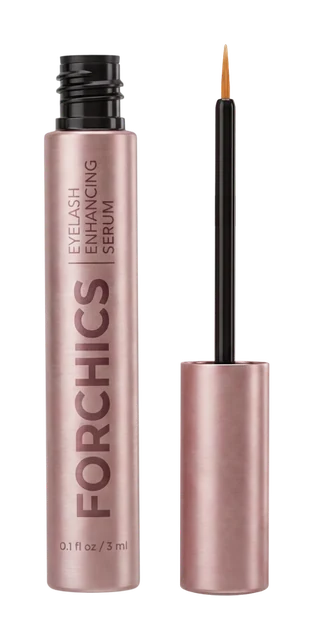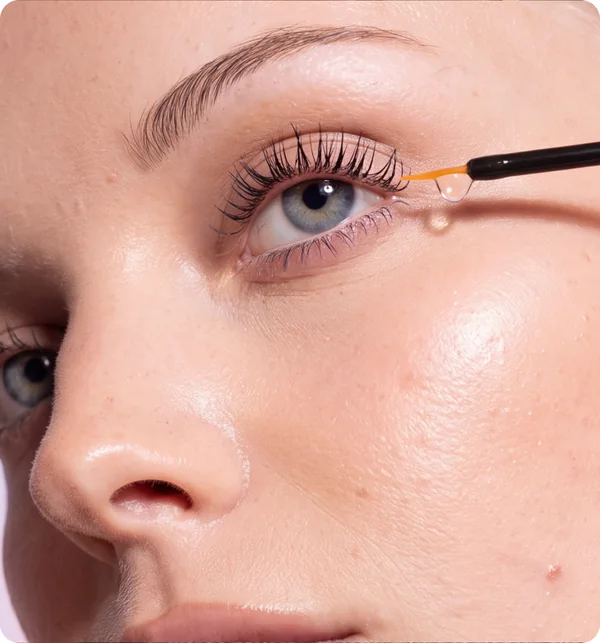
In early 2025, France’s national health agency received an unusual report. A young woman had been applying an eyelash serum to her upper lash line every night. After five months, her left eye had turned noticeably darker. The fat around both eyes had thinned, making her dark circles look deeper.
The cause wasn’t a rare allergy. The serum contained isopropyl cloprostenate, a lab-made cousin of prostaglandin. According to the agency, packaging usually carries no warning about these risks.
Source: ANSES
Prostaglandin analogs are the reason many lash serums work so fast. They come from glaucoma eye drops, where doctors noticed patients growing longer lashes as a side effect. But they bring the drug’s other side effects along too.
If you’re shopping for a lash serum, or already using one, here are 7 reasons to make sure yours is prostaglandin-free.
-
1.It can permanently change your eye color
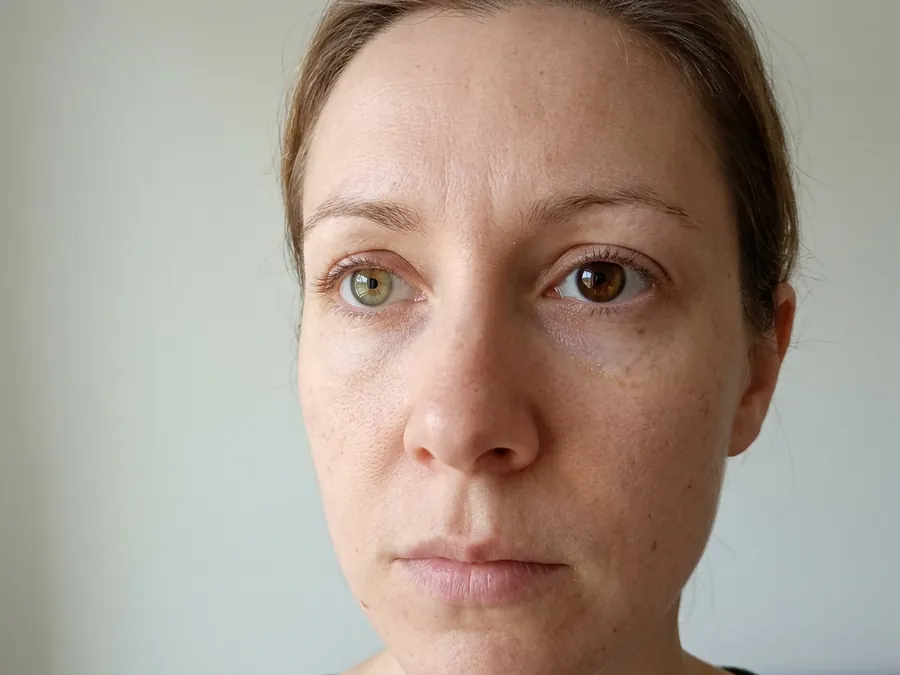
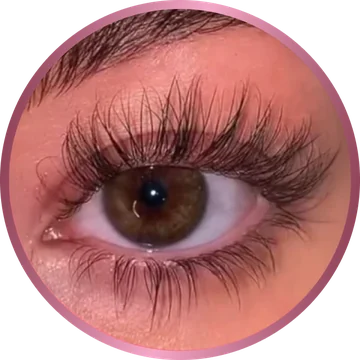
Prostaglandin analogs can increase the brown pigment in the colored part of your eye. The Latisse drug label warns the change is likely to be permanent and may not be noticeable for months or even years.
Source: Latisse (bimatoprost) prescribing information, AbbVie
-
2.It can make your eyes look hollow and tired

The fat cushion around the eye can shrink, deepening the eyelid crease and making dark circles look more pronounced. The Latisse label lists it among reports received after launch, and it happened in the French case. That’s the opposite of what you buy a beauty product for.
Sources: Latisse prescribing information; ANSES
-
3.It can darken the skin on your eyelids
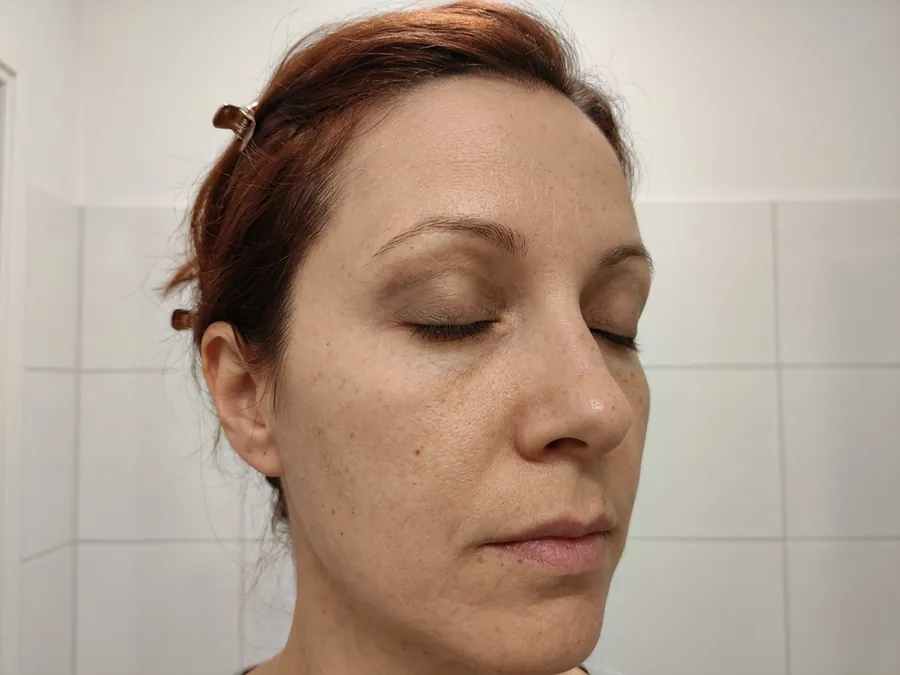
Regular use can leave a shadow-like darkening on the eyelid skin. According to the Latisse label, it fades after stopping in most people.
Source: Latisse prescribing information
-
4.Itchy, red eyes are among the most common reactions
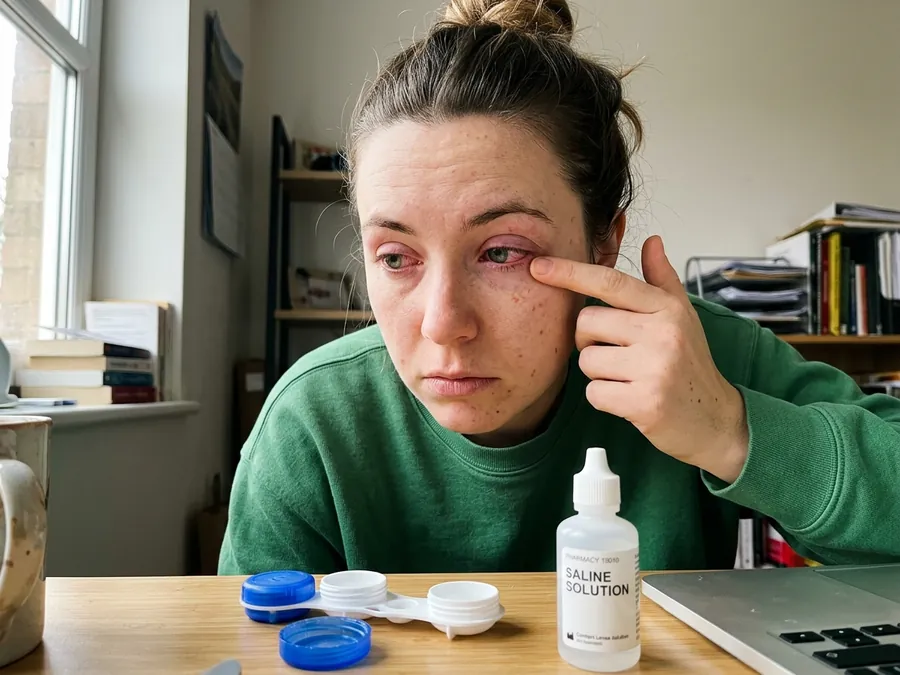
Eye itching and redness are among the most frequently reported reactions on the Latisse label. Contact-lens wearers have one more thing to manage: soft lenses can absorb the solution and become discolored, so they must come out before applying.
Source: Latisse prescribing information
-
5.Hair can grow where you don’t want it

The ingredient doesn’t know the difference between your lash line and your cheek. Where the serum repeatedly touches other skin, it can trigger hair growth there too.
Source: Latisse prescribing information
-
6.It’s not for everyone, and most people don’t know they’re at risk
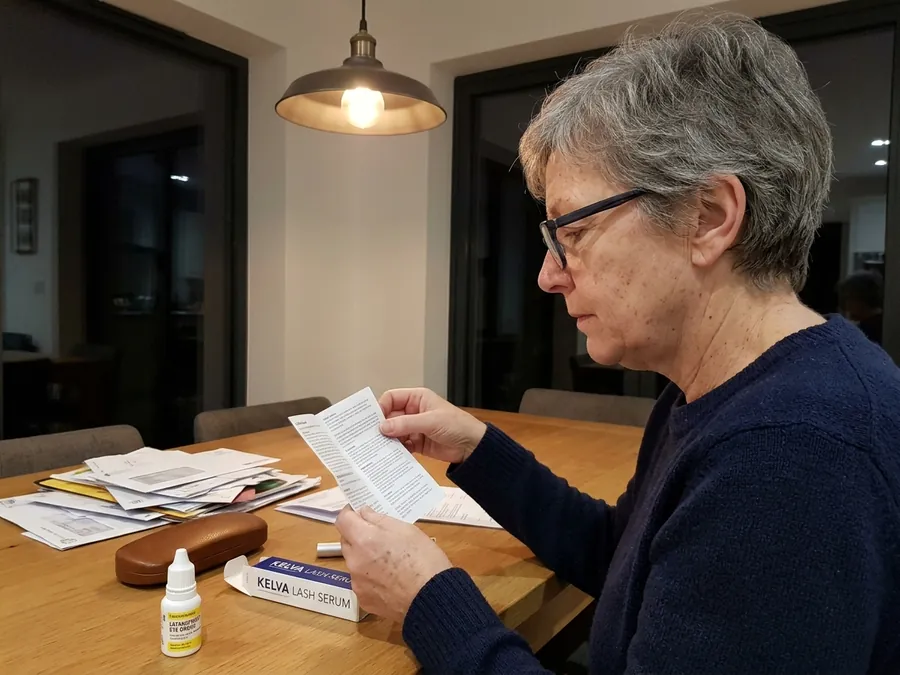
If you use prescription drops for eye pressure or glaucoma, a prostaglandin lash serum may interfere with them, so the Latisse label says to check with your doctor first. Safety in pregnancy isn’t established either: Latisse has no adequate pregnancy studies, and EU scientists cited missing reproductive-safety data. Few shoppers ever see that fine print.
Sources: Latisse prescribing information; SCCS/1680/25 final opinion
-
7.Regulators are pulling back
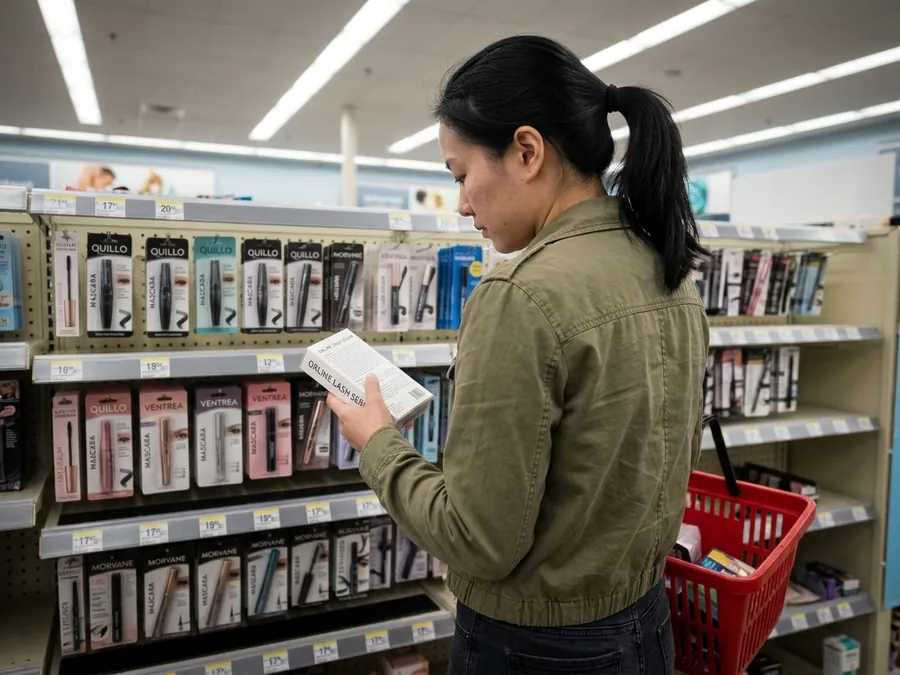
Health Canada lists prostaglandins and their analogs as prohibited cosmetic ingredients. In February 2026, the EU’s Scientific Committee on Consumer Safety concluded that none of the prostaglandin analogs it reviewed can be considered safe in lash and brow cosmetics. A formal EU restriction may follow. The US has no equivalent ban, so checking the label is up to you.
Source: SCCS/1680/25 final opinion (Feb 2026); Health Canada Cosmetic Ingredient Hotlist
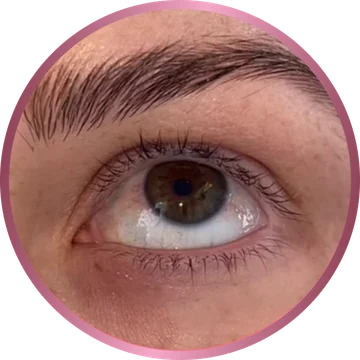 Weeks 1-2
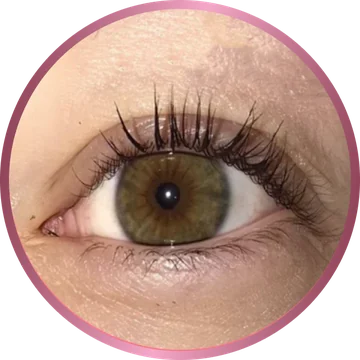 Week 4
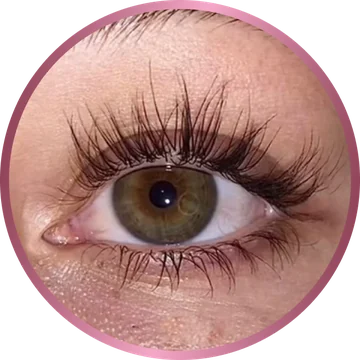 Week 8
 Week 12